Comparing DIY Carpet Cleaning and Professional Services
When carpet cleaning needs arise, property owners often face a choice between handling the task themselves or enlisting professional help. The decision involves weighing several factors, including budget, the nature of the stains, available equipment, and the desired outcome. Understanding how each approach compares across cost, effectiveness, and practical considerations can help clarify which option aligns best with specific circumstances.
Both DIY methods and professional services have their place in carpet care. The suitability of each depends on variables such as carpet fiber type, the age and condition of the carpet, the frequency of cleaning, and the types of soils or spills present. This article examines the key differences between do-it-yourself carpet cleaning and hiring a service like ShinePro, focusing on how each handles various stain scenarios and overall maintenance.
Cost Analysis: DIY Equipment and Supplies vs. Professional Service Fees
The upfront cost of DIY carpet cleaning often appears lower than hiring a professional. Purchasing a basic rental machine from a grocery store or hardware store typically involves a daily rental fee plus the cost of cleaning solution. Additional expenses may include spot removers, pre-treatments, and protective sprays. For those who already own a home carpet cleaner, the ongoing cost is limited to cleaning chemicals and occasional maintenance.
Professional carpet cleaning services generally charge per room or per square foot. The total depends on factors such as the number of rooms, the carpet material, and any add-on treatments like stain guarding or deodorizing. Companies such as ShinePro provide pricing based on the scope of work and the condition of the carpet. While the upfront cost is higher than a single DIY session, professional services include heavy-duty equipment, trained technicians, and specialized products that are not easily replicated at home.
When comparing costs over time, DIY cleaning may require repeated rentals or purchases of supplies, especially for larger homes or frequent cleaning schedules. Professional deep cleaning is typically recommended every 12 to 18 months, which spreads the cost over a longer period. The total expense for each path depends on the specific cleaning frequency, the size of the area, and the complexity of the stains involved.
Effectiveness Across Common Stain Types
Different stains respond differently to cleaning methods. Water-based spills, such as coffee or soda, are often manageable with home machines if treated promptly. DIY cleaning can lift surface-level dirt and many fresh spills, especially when using an appropriate pre-treatment. However, older or set-in stains may require more aggressive extraction or specialized agents that are not available in standard consumer formulas.
Protein-based stains from food, pet accidents, or bodily fluids can be particularly challenging. These stains often require enzymatic cleaners or hot water extraction at temperatures that home machines cannot achieve. Professional equipment can heat water to higher temperatures, which helps break down protein bonds more effectively and removes residue that might otherwise attract future soil.
Oil-based stains, such as grease or makeup, require solvents rather than water. Most DIY machines use water-based cleaning solutions, which may spread oil stains rather than remove them. Professionals have access to solvent-based spot treatments and the ability to adjust the cleaning approach based on the stain chemistry. For deeply embedded dirt or high-traffic areas, truck-mounted systems used by services like ShinePro provide stronger suction, resulting in less moisture left in the carpet and faster drying times.
Cleaning Methods and Equipment Capabilities
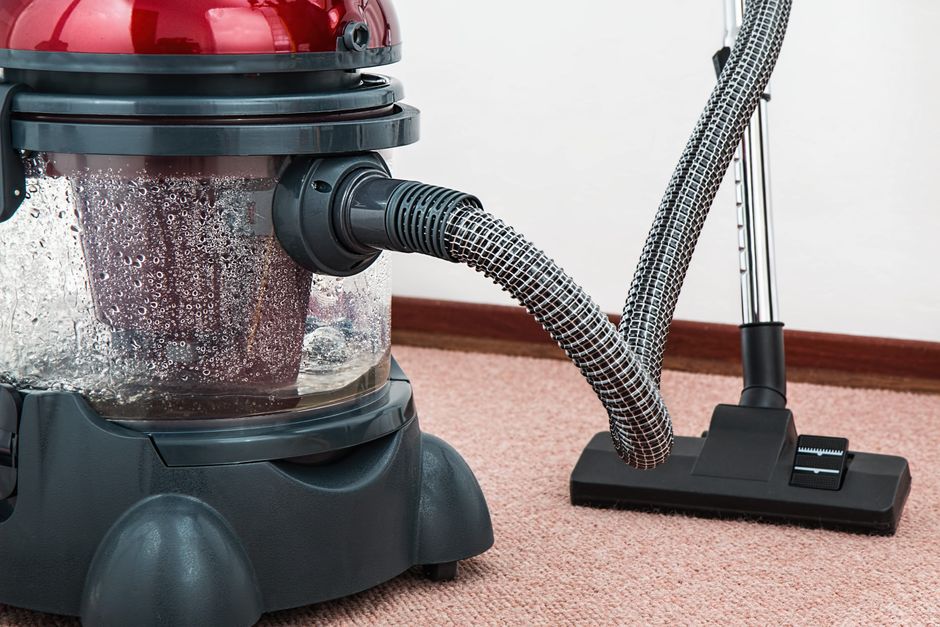
DIY carpet cleaning typically uses portable extractors that inject water and cleaning solution into the carpet fibers and then vacuum it back up. These machines vary in power, but most consumer-grade units have limited water lift and lower temperature than professional equipment. The result is that some detergent residues may remain in the carpet, which can attract dirt and cause faster resoiling.
Professional services use either portable units for small spaces or truck-mounted systems for larger jobs. Truck-mounted equipment generates higher water temperatures and stronger suction, which allows for deeper extraction of soil, chemicals, and moisture. This can reduce drying times from several hours to as little as one to two hours. The method used, often referred to as hot water extraction, is widely recommended by carpet manufacturers for routine deep cleaning when performed by trained technicians.
Another difference lies in the pre-cleaning process. Professionals typically perform a thorough inspection, pre-treat stains with appropriate agents, and agitate the carpet fibers to loosen embedded dirt before extraction. DIY users may skip these steps due to time constraints or lack of knowledge, which can reduce overall effectiveness. The choice of cleaning solutions also differs: consumer products are formulated for general use, while professional solutions are tailored to specific fiber types and soil conditions.
Time Requirements and Convenience Factors
DIY carpet cleaning requires a significant time investment. Renting a machine involves traveling to the rental location, transporting the unit, setting up in the home, moving furniture, performing the cleaning, rinsing the machine, and allowing the carpet to dry. For an average-sized room, the entire process can take several hours, with drying potentially extending overnight if ventilation is limited.
Professional services minimize the hands-on time required from the homeowner. A team like ShinePro arrives with all necessary equipment, manages the furniture moving, cleans the carpet, and completes the job in a scheduled timeframe. The drying period is shortened due to powerful extraction. This can be especially beneficial for households with pets, children, or limited ability to vacate rooms for extended periods.
Scheduling flexibility also differs. DIY cleaning can be done at any time without an appointment, but the availability of rental machines and the convenience of doing the work oneself may not suit everyone. Professionals offer appointment-based service, which can be planned around daily routines. The choice between the two often depends on personal preference regarding time management and the willingness to handle physical effort.
Long-Term Carpet Health and Maintenance Considerations
Regular cleaning contributes to the lifespan of carpet by removing abrasive particles that wear down fibers over time. DIY cleaning performed too frequently or with incorrect techniques can lead to overwetting, which may damage the carpet backing or result in mold and mildew growth. Using too much detergent or failing to rinse thoroughly can leave residues that cause rapid resoiling.
Professional cleaning, when done at appropriate intervals, can help maintain carpet appearance and extend its useful life. Technicians are trained to adjust water pressure, temperature, and chemical application based on carpet construction and soil load. Many manufacturers require professional deep cleaning to maintain warranty coverage, making it a necessary step for some homeowners.
In choosing between the two approaches, the condition of the carpet and the type of soiling present are important factors. For routine maintenance of lightly soiled carpets, occasional DIY cleaning can be sufficient. For deep-seated dirt, persistent stains, or high-traffic areas, professional services like ShinePro offer capabilities that are difficult to match with consumer equipment. Understanding these differences allows property owners to select the method that best supports their cleaning goals and carpet care needs.